Guru Insights
The Open-Wall Window Most Remodels Miss

Run the Wire Now, Thank Yourself Every Morning Later

Article lead image

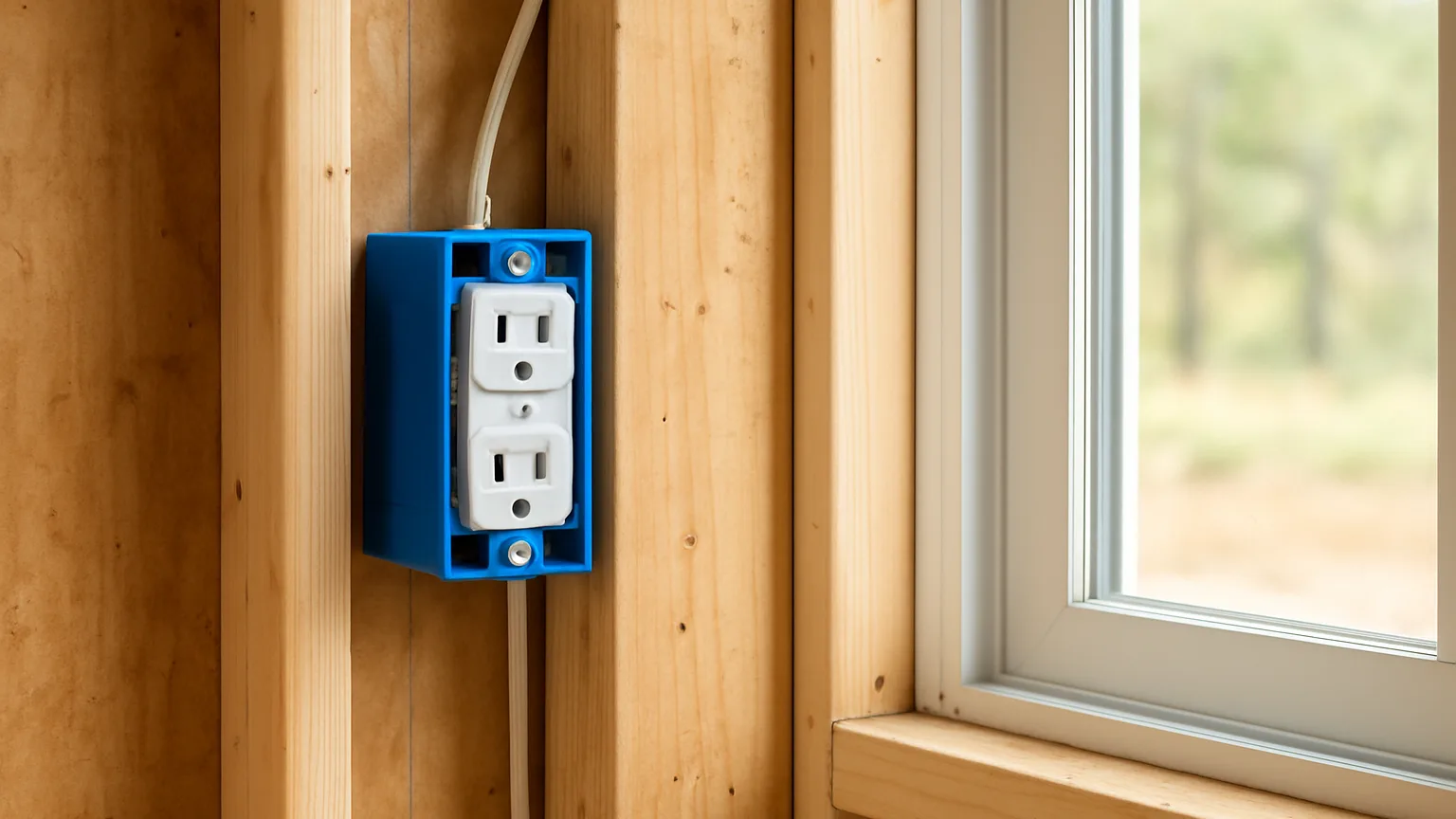
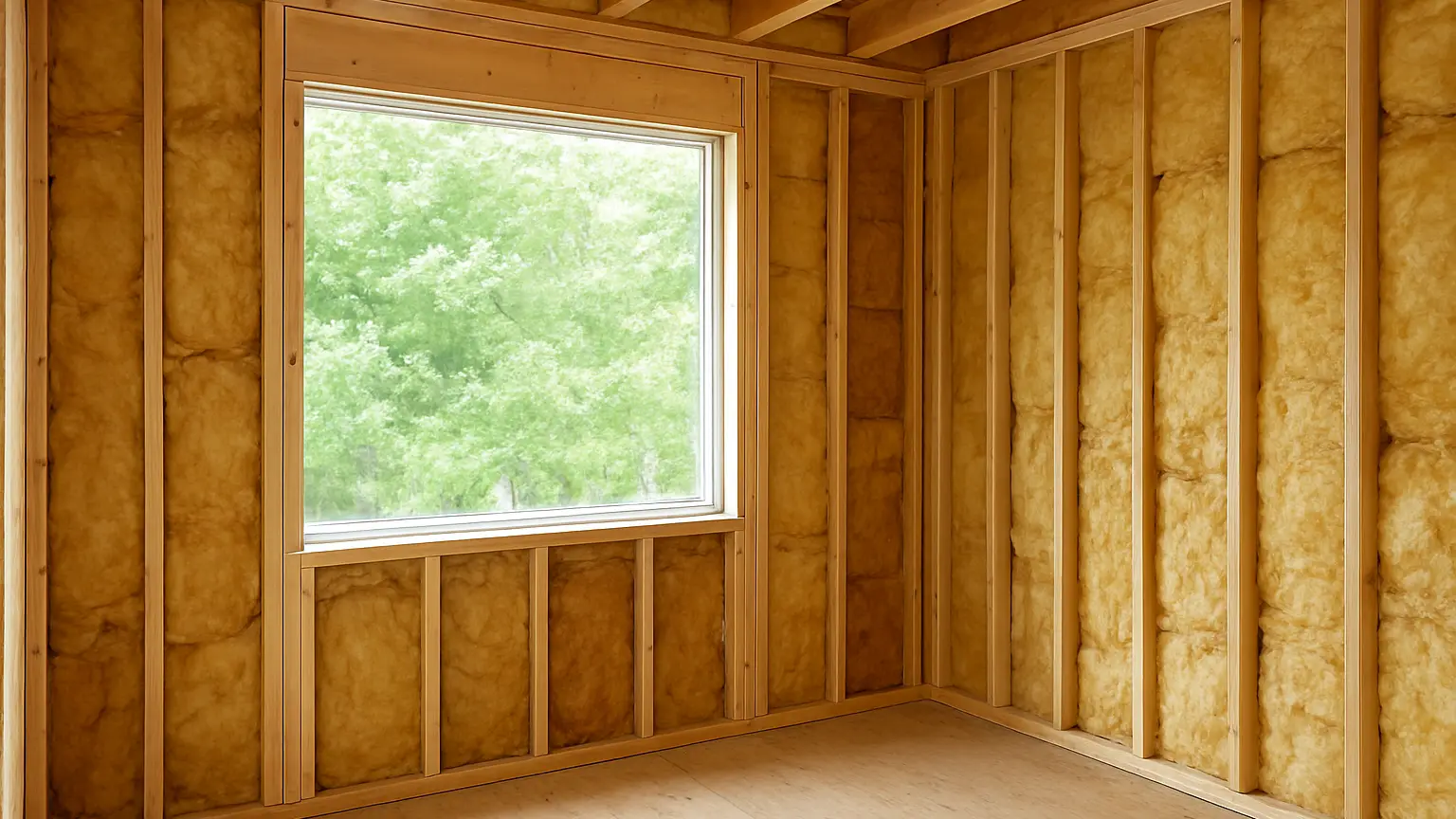
Every remodel has a short stretch when the walls are open. The studs are bare. You can see every pipe and wire. For motorized blinds, this is the most important moment of the whole project. Most homeowners have no idea it is happening.

Here is the problem. People pick window blinds at the very end, after paint and flooring. By then the walls are closed. If they want motorized shades that plug into power, someone has to cut into fresh drywall to run a wire. That costs a lot more than it would have a few weeks earlier.

Why the Timing Matters So Much

A wire run during rough-in takes an electrician a few minutes per window. There is no patching, no dust, and no repainting. Once the drywall is up, that same wire means cutting holes, fishing cable through insulation, patching, sanding, and painting. The work is the same. The price is not.

This is part of a bigger idea about remodeling. The order of the work often matters more than the materials. Understanding the quiet rule that decides your costs can save you from many surprises like this one, not just with blinds.

The Simple Question to Ask Early

You do not need to choose your exact blinds before demolition. You only need to answer one question: might I want motorized shades on this window someday? If the answer is "maybe," run the wire anyway. An unused wire behind a wall costs almost nothing. A missing wire costs a lot.

Pros who do this often treat it as a habit. They pre-wire the windows people use most, like the living room, the main bedroom, and any tall or hard-to-reach glass. Those high windows are also where blinds get neglected, the same trouble behind dusty hotel room blinds that nobody can easily reach. Then the homeowner can decide later, with no penalty for waiting.
Supporting image for the article
Hardwired Versus Battery Motors, Honestly Compared

Both types of motorized blinds work well. They just fit different situations. The right pick depends on your windows, your budget, and how much you hate chores.

Battery Motors

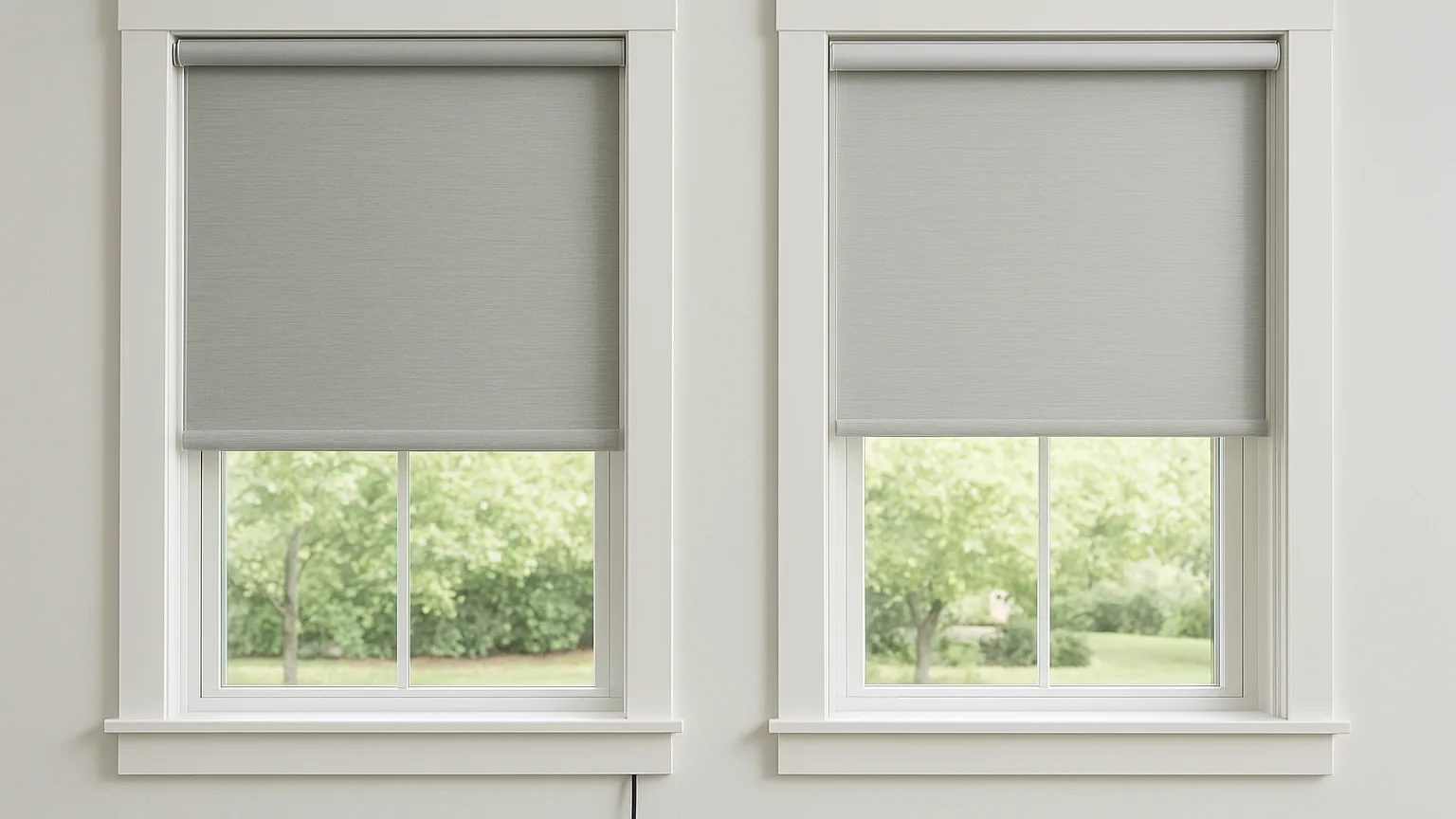
Battery shades are the easy choice for homes that are already finished. There is no wiring at all. The motor runs on a battery pack or a rechargeable wand hidden in the headrail.

  • Best for: rentals, finished rooms, and one or two windows
  • Charging: most need a recharge every 6 to 12 months, sometimes sooner with heavy use
  • Weak spots: large or heavy shades drain batteries faster
  • Hidden chore: climbing a ladder to recharge shades on tall windows

Hardwired Motors

Hardwired shades connect to your home's power. They never need charging. They also tend to run a little quieter and handle heavier fabrics with ease. Because every shade can move on one command, it is simple to set them all to a matching position, which helps if you ever worry about how blinds photograph when it is time to sell.

  • Best for: remodels, new builds, and whole-house setups
  • Charging: none, ever
  • Weak spots: needs planning before drywall
  • Bonus: more reliable with timers and smart-home routines

Low Voltage or Line Voltage?

Hardwired motors come in two flavors. Line voltage motors run on standard 120-volt power and need a licensed electrician. Low voltage motors run on 12 or 24 volts, usually from a small power supply. Low voltage wire is thinner and easier to run, and many installers prefer it for homes. Ask your shade supplier which type your motor needs before anyone pulls cable.

A Quick Way to Decide

Think about where each window sits. If you can reach it from the floor and it is a normal size, battery power is fine. If it is tall, wide, or above a tub or stairway, go hardwired. Some very large openings skip motors entirely, since interior shutters for metal windows never need power or charging. Nobody wants to haul a ladder up the stairs twice a year.

Large windows deserve extra thought. Big panes of glass often call for heavy shades, and heavy shades eat batteries. Some homeowners also weigh other coverings, and the ideas behind dressing slim aluminum frames with interior shutters show how much the window itself shapes the right choice. Plan the covering around the glass, not the other way around.

Closing image for the article
Outlets, Hubs, and the True Price of Waiting

Running a wire is only half the job. Where that wire ends up is just as important. A wire in the wrong spot is almost as bad as no wire at all.

Where the Power Should Go

The motor sits in the headrail at the top of the window. So the power should end near the top, not down by the floor. Most installers leave the wire at the upper corner of the window opening, on the side where the motor will live.

  • Leave about 12 to 18 inches of extra wire coiled in the wall
  • Mark the motor side on your plans, left or right
  • Label each wire at the panel or power supply
  • Take photos of every open wall before drywall goes up
  • Add wood blocking above the window for strong bracket mounting

Those photos matter more than people think. Months later, nobody remembers which side the wire came out of. A quick picture with a tape measure in the frame solves that forever.

Plug-In Options

Some homeowners skip the hidden wire and ask for a high outlet near the top of the window instead. The shade plugs right in, and a valance or cornice hides the cord. It is a smart middle ground. It also makes it easy to swap motors later.

Picking a Smart-Home Hub

Most motorized shades talk to a small hub or bridge. The hub connects them to your phone, voice assistant, or home system. Before you buy, check which language your other devices speak. Common ones include Zigbee, Z-Wave, Wi-Fi, and the newer Matter standard.

"The biggest mistake we see is people buying shades that won't talk to the rest of their home," says Megan Corliss, smart home product specialist at Blinds Chalet. "Pick your system first, then the shades. It saves a lot of returns."

Place your hub near the center of the house, not tucked in a basement corner. Shades are often the farthest devices from your router. A good hub spot keeps them from dropping offline.

What Retrofitting Really Costs

Here is a rough look at the difference. Prices vary by region and wall type, but the gap is always large.

  • Pre-wire during rough-in: often $50 to $150 per window
  • Retrofit after drywall: often $250 to $600 per window, including patch and paint
  • Plaster or tile walls: can cost even more, and sometimes it is not worth doing

Multiply that by eight or ten windows, and the savings add up fast. When you review quotes, look for a clear line item for low-voltage or shade pre-wire. Knowing how to read three bids, three numbers side by side helps you spot which contractor actually included it and which one left it out.

Battery shades are always there as a backup. If you miss the window, you can still go motorized. You just trade the one-time wiring cost for years of charging.

The Few Feet of Wire That Pay You Back for Years

Motorized blinds are easy to love and easy to plan for, as long as you plan at the right time. The open-wall stage of a remodel is your best chance to run power to the windows you care about. Hardwired motors give you quiet, charge-free shades that work well with smart routines. Battery motors are a fine fallback for finished rooms and easy-to-reach windows. Either way, knowing the difference before demolition puts you in control.

Get the details right while the studs are bare. Leave extra wire at the top corner, mark the motor side, add blocking, and snap photos. Choose your smart-home system before your shades, and put the hub where it can reach every room. A few dollars and a few minutes now can spare you hundreds per window later, and every morning your shades will rise on their own as proof that you made the call early.

About the author

Ty Murray, The Home Guru

Nine world championships, a league he helped found, and four decades of building and fixing things that had to hold. Ty writes about remodeling the way he approaches it, which is to say plainly and without selling you anything you do not need.