Guru Insights
Two Clocks Ticking on One Roof

Roof First, Panels Second: Skip the Pricey Do-Over

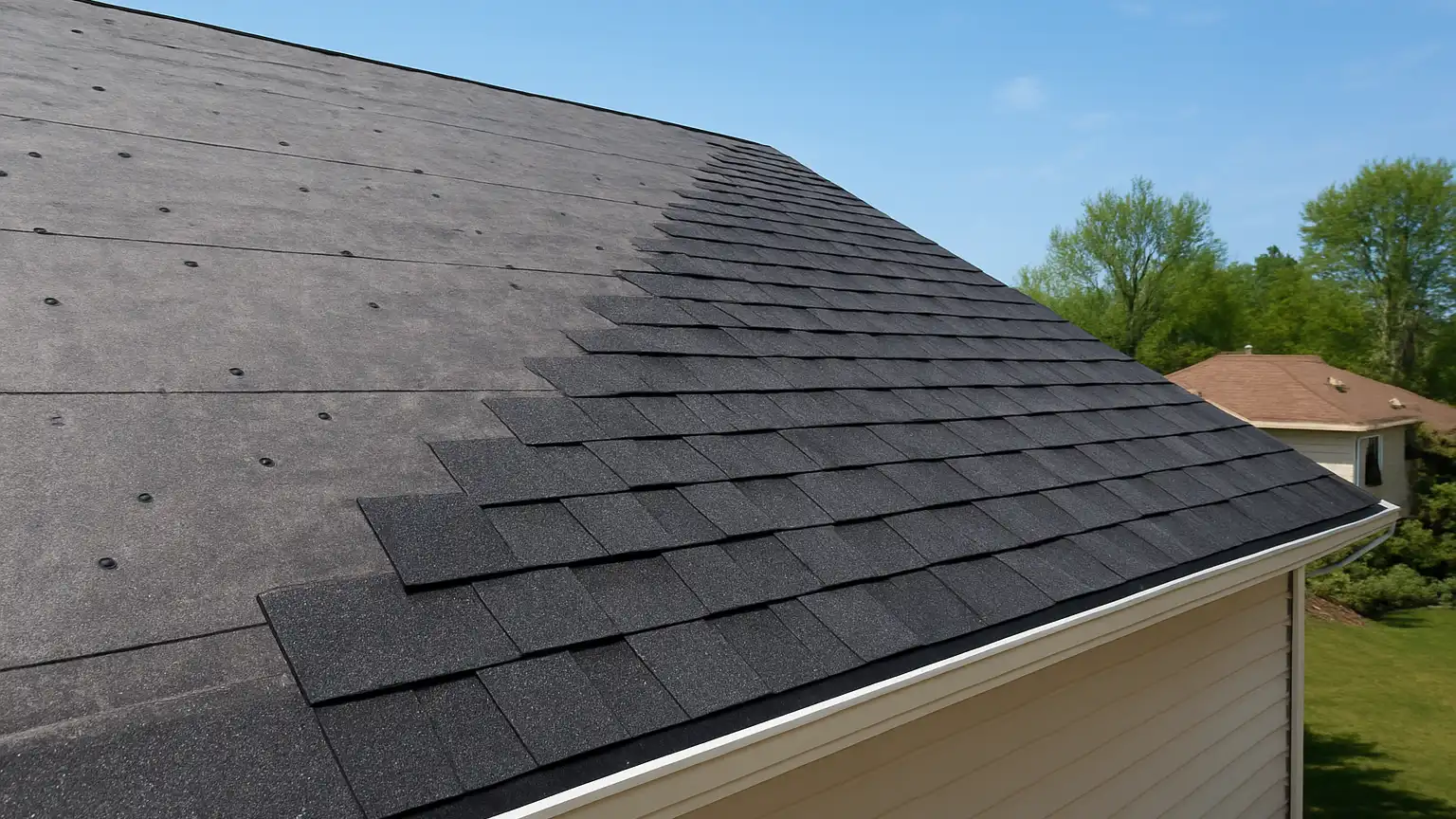
Article lead image

Your roof has two clocks on it once solar goes up. One clock counts down the life of your shingles or tile. The other counts down the life of your panels. If those clocks are far apart, you will pay to fix the gap. That gap is often thousands of dollars.

Most homeowners never see it coming. The solar quote looks great. The install is fast. Then, eight years later, the roof starts to leak and the panels have to come off before anyone can fix it.

The Math Nobody Shows You at the Sales Table

Here is a simple way to think about it. Most solar panels are built to last 25 to 30 years. Many come with warranties that run that long. A typical asphalt shingle roof lasts about 20 to 25 years. In hot, sunny places, it can be less.

Now picture a roof that is already 12 years old. You add panels rated for 25 years. The roof may give out around year 8 to 13 of your solar system. That means your panels will still have more than half their life left when the roof needs to be replaced.

  • Roof age today: 12 years
  • Roof life left: about 8 to 13 years
  • Panel life: 25 to 30 years
  • Result: at least one full panel removal and reinstall, maybe more

Now flip it. Replace the roof first, then add solar. Both clocks start on the same day. They wear out at about the same pace. You touch the panels once, when it is time for the whole system to retire.

Why the Order Matters More Than the Price

Every remodel has a sequence, and the quiet rule that decides your final bill is simple. Do the work that gets covered up first. Your roof gets covered up by solar. So the roof goes first.

Think of it like painting a room. You would not hang new art and then paint the wall behind it. You would have to take the art down, paint, and hang it again. Solar works the same way, just with more wires, more permits, and a much bigger bill.

Many people shop for panels before they ever look at what is under them, and that habit is exactly why going solar backwards ends up costing so much. A good roof check should happen before the first solar quote, not after the contract is signed.

A Quick Gut Check for Your Roof

You do not need to be an expert to get a rough idea. If your roof is more than 10 years old, have it looked at before solar. If you see curling shingles, cracked tiles, stains on the ceiling, or granules in your gutters, take that as a sign. The roof is telling you it wants attention first.

A roof with plenty of life left may be fine as is. The goal is not to replace a good roof. The goal is to make sure the roof will last as long as the panels sitting on it.
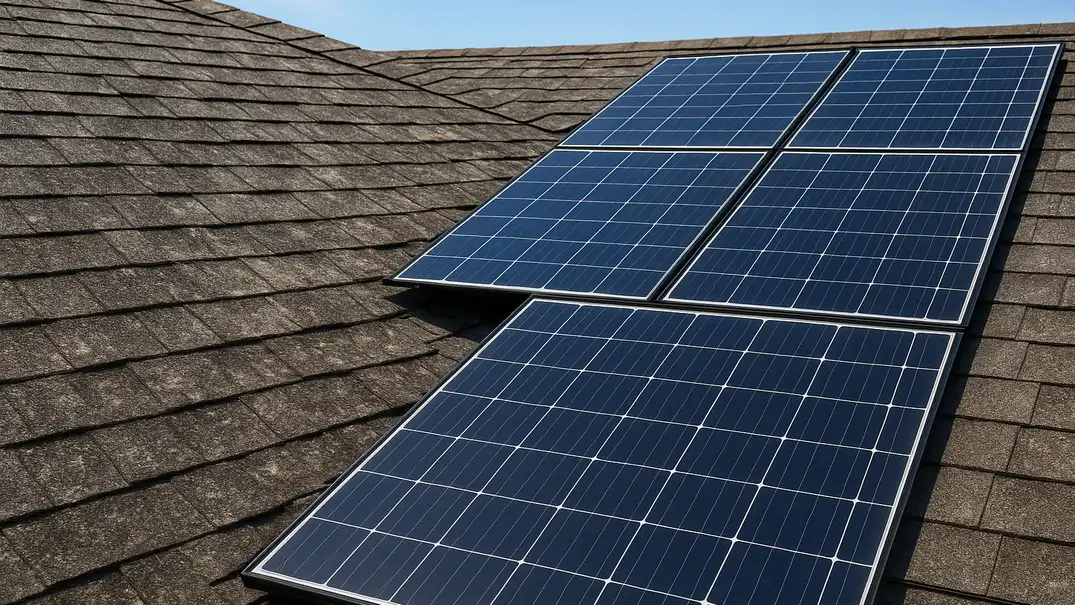
Supporting image for the article
What Pulling Panels Off Really Costs You

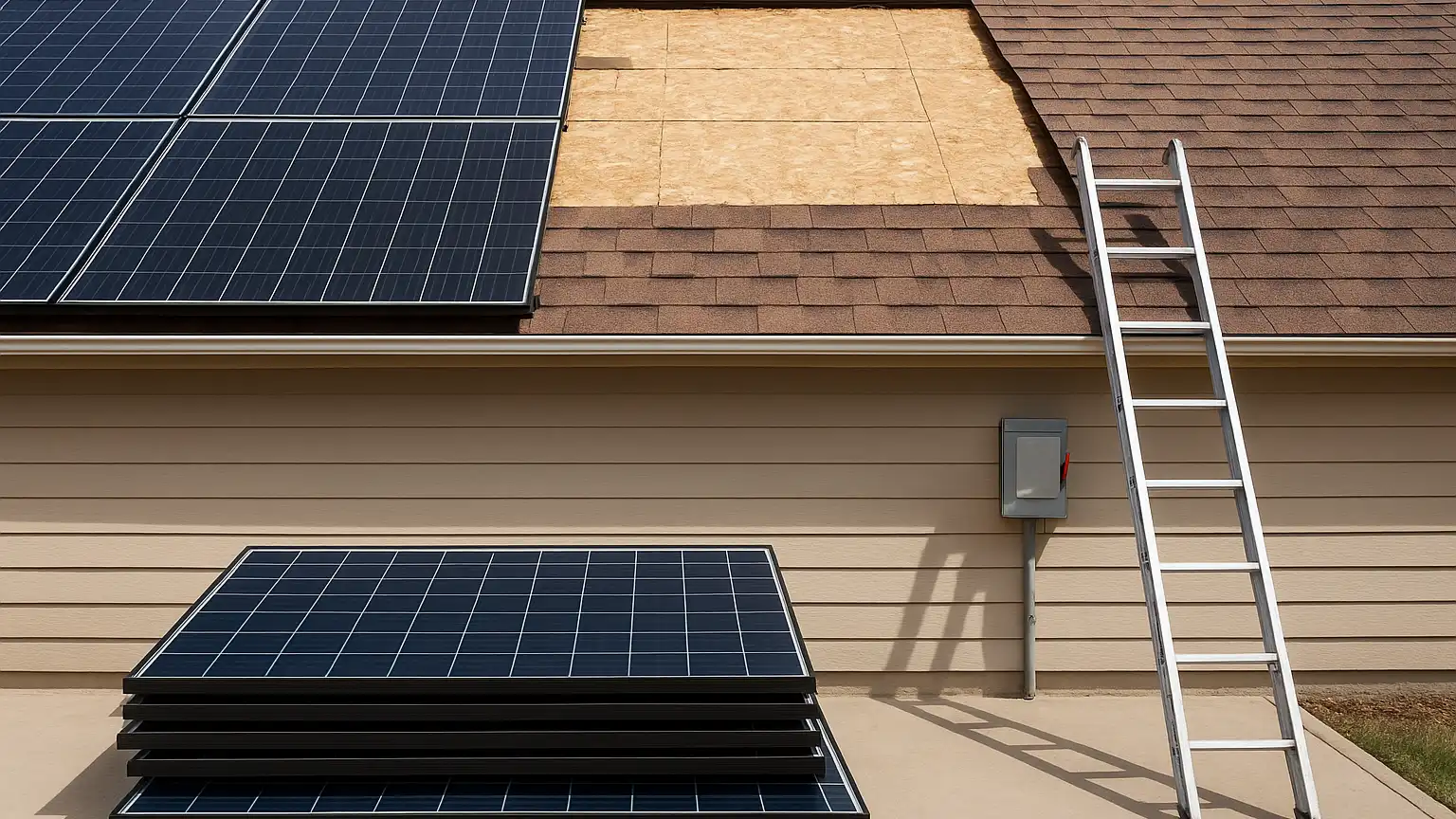
So what happens if you already have panels on an aging roof? You pay for a "detach and reset." That is the industry name for taking the panels down, storing them, and putting them back after the new roof is on.

For a typical home, this often runs a few thousand dollars. Larger systems, steep roofs, and tile roofs can push it higher. And that is only the solar side. The roof job itself is a separate bill.

Where the Money Goes

  • Labor to remove the panels: a crew has to safely disconnect and lift each one.
  • Racking and mounts: the rails and roof attachments often come off too.
  • Storage: panels need a safe, dry spot while the roof is redone.
  • New flashing and seals: fresh roof penetrations must be sealed again.
  • Electrical work: the system must be rewired, tested, and sometimes inspected, especially if it also involves detached garage wiring that has to be reconnected.
  • Permits: many cities want a new permit for the reinstall.

The Costs That Do Not Show Up on the Invoice

The bill is only part of the pain. While the panels are down, they make no power. That could be a few days or a few weeks. In summer, that means a higher electric bill right when you need the savings most.

There is also warranty risk. Some solar warranties only stay valid if a certified installer handles the removal. If a roofer pulls the panels on their own, you could lose coverage. Roof warranties can have the same issue in reverse. A new roof warranty may not cover leaks around solar mounts that another company installed.

"We see it every month," says Daniel Reyes, senior solar design consultant at Capital Energy. "A family calls us to pull a five-year-old system so they can replace a roof that was already tired on install day. If the roof had been checked first, that whole cost would never have existed."

Comparing Quotes the Right Way

When you get prices, look closely at what each one covers. Two quotes can look close and still be very different jobs. The same lesson from reading three bids, three numbers applies here. Ask each company to spell out removal, reinstall, flashing, permits, and warranty terms line by line.

If a solar company never asks how old your roof is, treat that as a red flag. A careful installer will want to know. They are putting holes in that roof and standing behind the work for decades.

Closing image for the article
Getting Your Roofer and Solar Crew in Sync

The best outcome is one plan with two crews working in the right order. It takes a little more planning up front. It saves a lot of money and stress later.

A Simple Step-by-Step Game Plan

  1. Get a roof inspection. Find out how many good years are left.
  2. Decide on the roof. Replace it now if it will not last as long as the panels.
  3. Get solar quotes with the new roof in mind. Share the roof type and timeline.
  4. Introduce the two teams. Let the roofer and solar installer talk directly.
  5. Plan mounts during the roof job. Some roofers can add flashing or mount points while the roof is open.
  6. Schedule solar right after. Aim for a short gap so the roof is fresh and clean.

Questions to Ask Both Contractors

Ask your roofer if they have worked next to solar crews before. Ask if they will honor their warranty with panels on top. Ask your solar company which roof types they mount on and how they seal each hole.

Then ask both the same question: who is responsible if a leak shows up around a mount? Get that answer in writing. When everyone knows who owns what, problems get fixed faster.

Picking the Right Roof for Solar

Not every roof material plays the same with panels. Asphalt shingles are easy to work with and cost less to mount on. Concrete and clay tile last a long time but can crack during installs, so the crew needs tile experience. Metal roofs are a strong match because they often outlast the panels and some can take clamps with no holes at all.

If you are replacing the roof anyway, it is a great time to think about solar. Choose a material and underlayment that will easily outlive a 25-year system.

Keeping Both Investments Healthy

Once both are in place, a little care goes a long way. Look for loose flashing, debris under the panels, and signs of critters nesting below. A short seasonal check, like the fifteen minutes that beat most home warranties, can catch small problems before they turn into leaks.

Also keep your paperwork in one folder. Save the roof warranty, the solar warranty, the permits, and the photos from install day. If you ever sell the house, buyers will love seeing a new roof and a solar system that were planned together, and clear records make selling with leased panels much smoother.

One Roof, One Timeline, Zero Regrets

Solar panels and roofs run on two very different clocks. Panels often last 25 to 30 years, while many roofs give out sooner. When solar goes on an older roof, you will likely pay for a detach and reset later. That means removal fees, storage, new flashing, rewiring, permits, lost power, and possible warranty trouble. Checking the roof first is the simplest way to avoid all of it.

The fix is not complicated. Inspect the roof, replace it if needed, then bring in solar with both teams talking to each other. Compare quotes line by line, get leak responsibility in writing, and pick a roof that will outlast your panels. Do that, and both clocks start together, wear out together, and keep your home protected and powered for decades.

About the author

Ty Murray, The Home Guru

Nine world championships, a league he helped found, and four decades of building and fixing things that had to hold. Ty writes about remodeling the way he approaches it, which is to say plainly and without selling you anything you do not need.